The Seasonal Garnish Calendar: How Resorts Build a Luxury Cocktail Program Around the Fruit Year
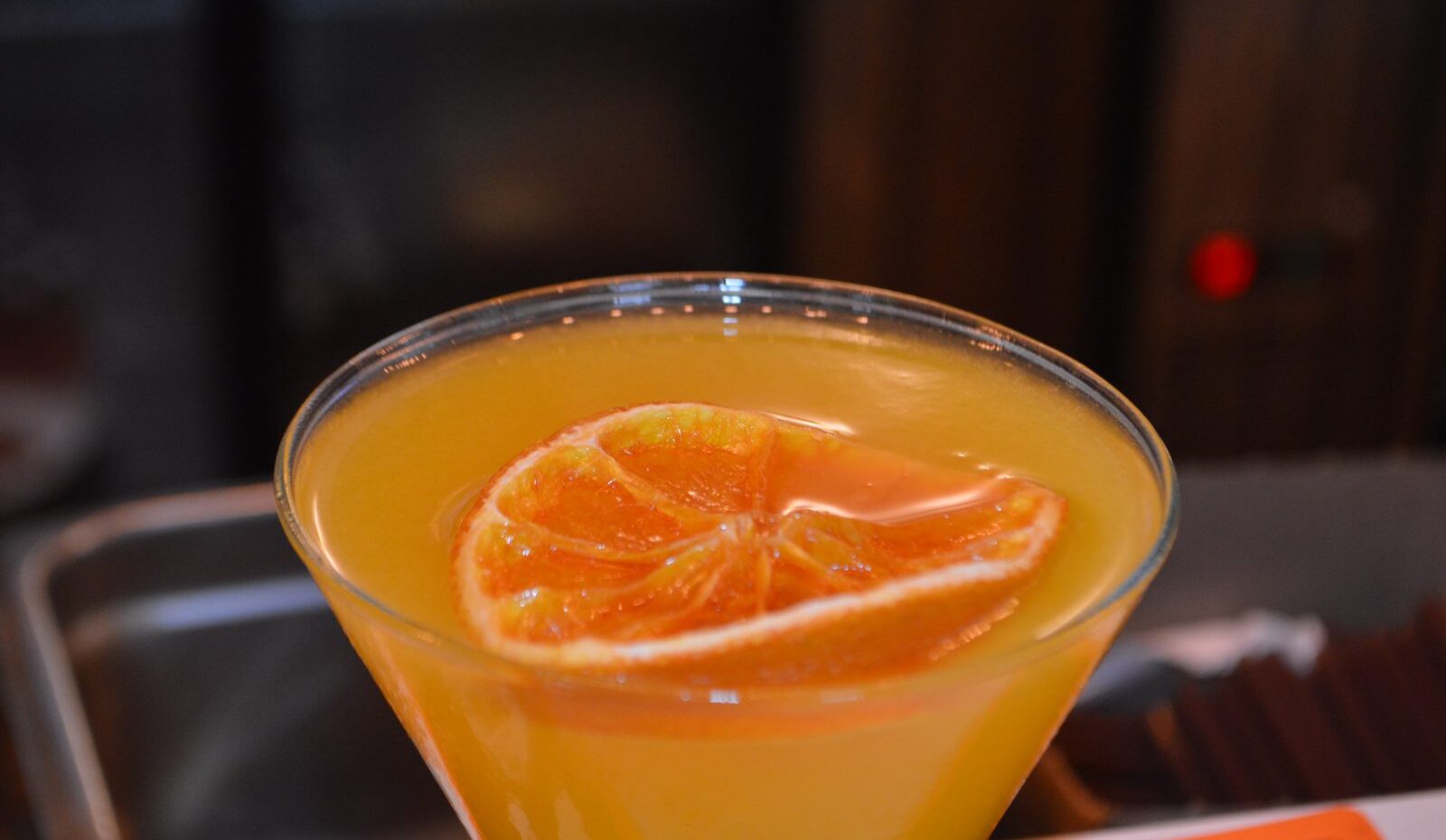
A guest’s first drink at your resort usually arrives before they’ve seen their room. It’s the welcome cocktail at check-in, the spritz at the pool cabana, the glass of something cold handed over at the start of a three-day conference. Guests write reviews about how the place felt, and the garnish is a bigger part of that feeling than most people realize: the amber orange wheel floating in the glass, the smell of citrus when the drink gets close, the way it looks in the photo they post from the terrace.
At a 40-seat bar, one talented bartender can make every one of those drinks perfect. At a resort with a dozen outlets, a banquet department, and a convention calendar, the job is harder. You need the same beautiful drink in the lobby lounge on a quiet Tuesday and at a 2,000-person reception on a Saturday night, in January and in July.
For the beverage and F&B leaders who carry that job, the fruit calendar is both the best menu tool you have and a real supply risk. Wholesale dehydrated cocktail garnishes let you plan a full year of seasonal cocktails around it and serve peak-season fruit every month, without the prep line, the waste bin, or the supply scare.
What luxury looks like at resort volume
Luxury at scale comes down to consistency. A guest who orders the signature margarita at the pool bar and again at the steakhouse that night expects the same drink. When one arrives with a bright, clean lime wheel and the other with a tired wedge cut four hours ago, the guest notices, even if they can’t say what changed.
Fresh garnish fights you on consistency every day. Fruit varies by the case. Wheels get cut thick or thin depending on who’s on prep. Cut citrus starts to dull and dry at the edges within hours, and anything left at the end of the shift goes in the trash. Multiply that across every outlet and every banquet and you have a garnish program that depends on dozens of people doing a repetitive task perfectly, all day, forever.
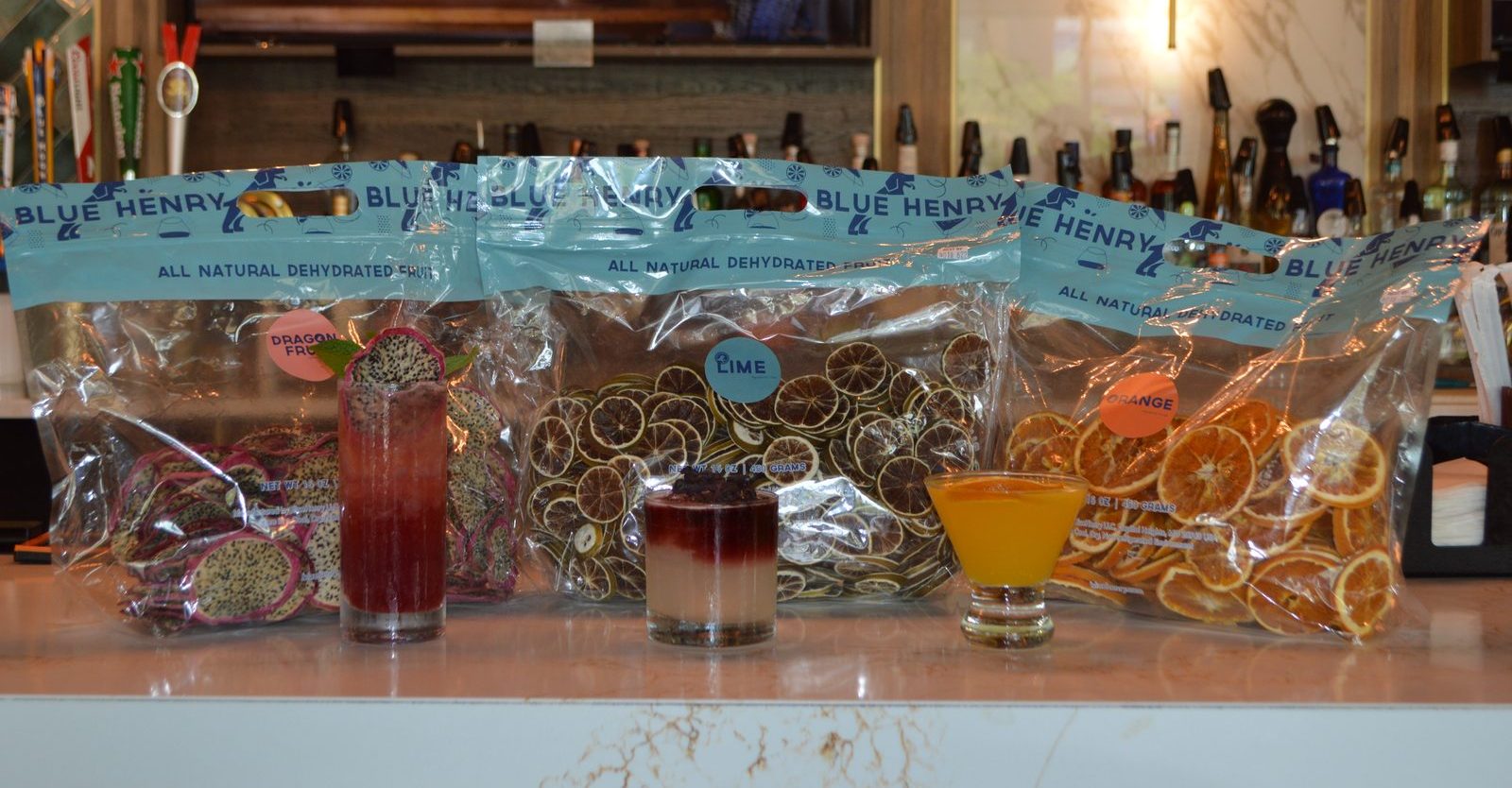
Dehydrated fruit garnishes solve the consistency problem at the source. Every Blue Henry wheel is sliced from fruit at the height of ripeness and dehydrated in-house in our Maryland kitchen. Nothing else is added: no sulfites, no additives, no artificial color. What you open in March looks and smells like what you opened in October, and it looks the same in the lounge, at the pool, and on the banquet floor.
“The number one question I always ask when anybody tries to pitch their product is: are we going to have supply issues? Number two: how is your quality when you start increasing your scale? With Blue Henry, my experience is that pretty much anything I asked for, they found a way to make it work.”
Dean Feddaoui, Director of Beverage, Gaylord Opryland Resort & Convention Center
The fruit calendar, captured at peak
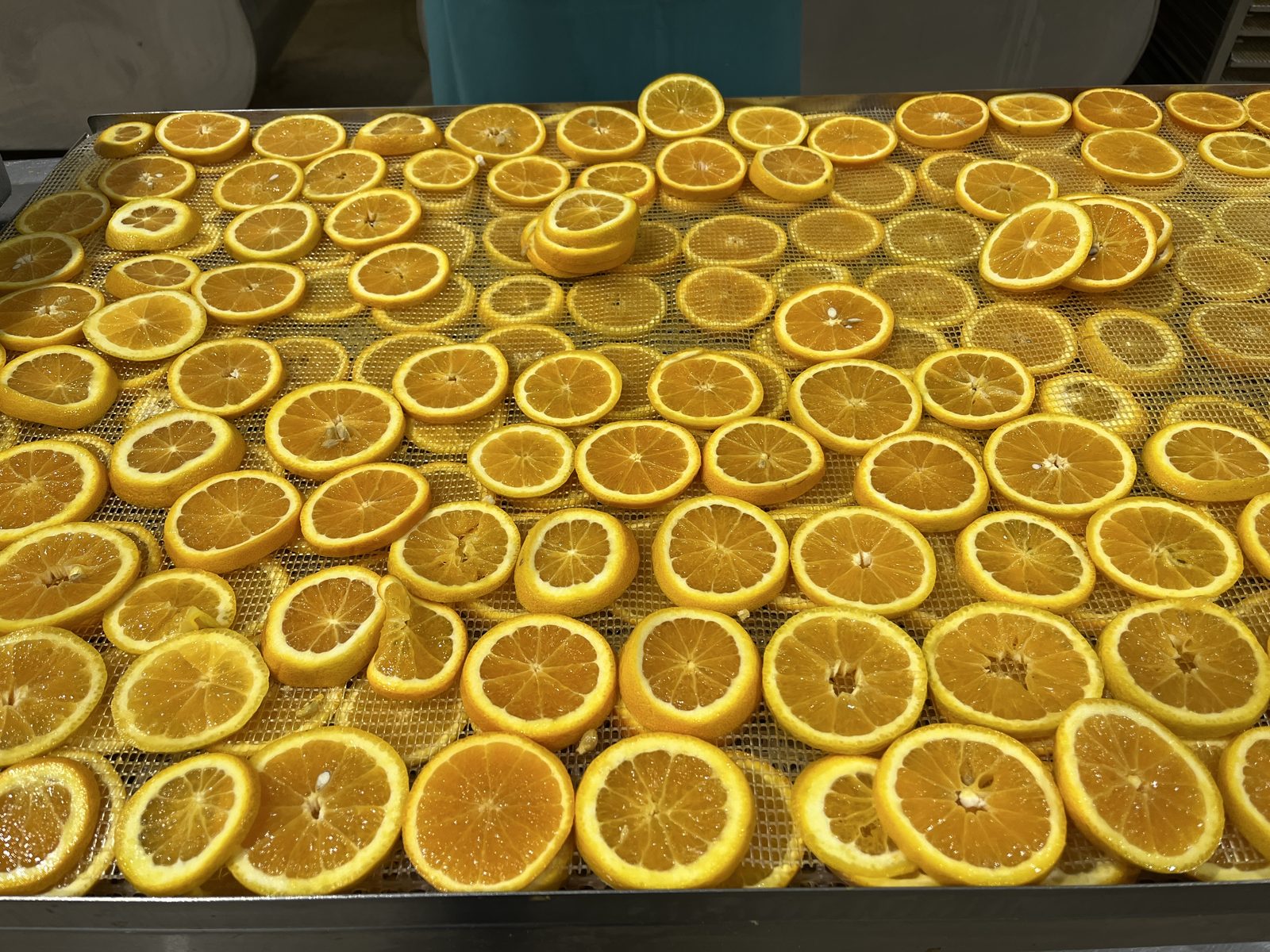
Every fruit has an optimal growing season. Blood oranges come into their own in the colder months, and our blood orange garnishes are available October through April. Strawberries hit their stride in spring. Pineapple and lime carry the summer. Fall brings darker berries and the spice-forward flavors guests start craving once the evenings cool.
Chefs build menus around that calendar because peak fruit tastes better. Beverage programs want to do the same, and seasonal cocktail menus are one of the best tools a resort has for giving repeat guests something new. The trouble is supply. A seasonal fruit can be gorgeous for six weeks and then scarce, expensive, or inconsistent for the rest of the year. A fresh-lime price spike, which tends to hit hardest early in the year, can wreck your pour cost overnight.
Dehydrating changes the math. Fruit dehydrated at its peak keeps that peak flavor, color, and aroma for up to 12 months when stored properly. You can write a winter menu around citrus that was captured when it was at its best, and you can keep serving your signature lime margarita at a steady cost while fresh-lime prices swing. The seasonality lives on the menu, where guests enjoy it, and stays out of your purchasing, where it causes headaches.
A seasonal garnish calendar for resort beverage programs
Use this as a starting point for a year of menus. Each season pairs the fruit and flavors guests associate with that time of year with the resort moments where they show up.
| Season | Fruit and flavors | Garnishes and rims | Where it shows up at a resort |
|---|---|---|---|
| Winter (Dec to Feb) | Peak citrus, blood orange, warm spice | Orange wheels and half slices, blood orange (October through April), honey sweetened lemons, mulling spices, bitters infused sugar cubes | Holiday parties, New Year’s Eve, lobby hot-toddy service, winter convention season, natural holiday decor |
| Spring (Mar to May) | Strawberry, bright herbs, floral notes | Strawberries, grapefruit, lemon wheels, lemon thyme and hibiscus lime rimming sugars | Brunch, weddings, Mother’s Day, spa and zero-proof menus |
| Summer (Jun to Aug) | Pineapple, lime, tropical | Pineapple slices, lime wheels, lime rimming salt, pineapple and mango rimming sugar | Pool bars, cabanas, beach service, outdoor receptions and concerts |
| Fall (Sep to Nov) | Orchard fruit, dark berry, botanicals, savory | Pears and apples, blackberry rimming sugar|salt, juniper berries, orange wheels, Bloody Mary rimming salt | Game-day brunch, gin and tonic programs, harvest dinners, Thanksgiving, charcuterie boards |
Winter: citrus season and holiday service
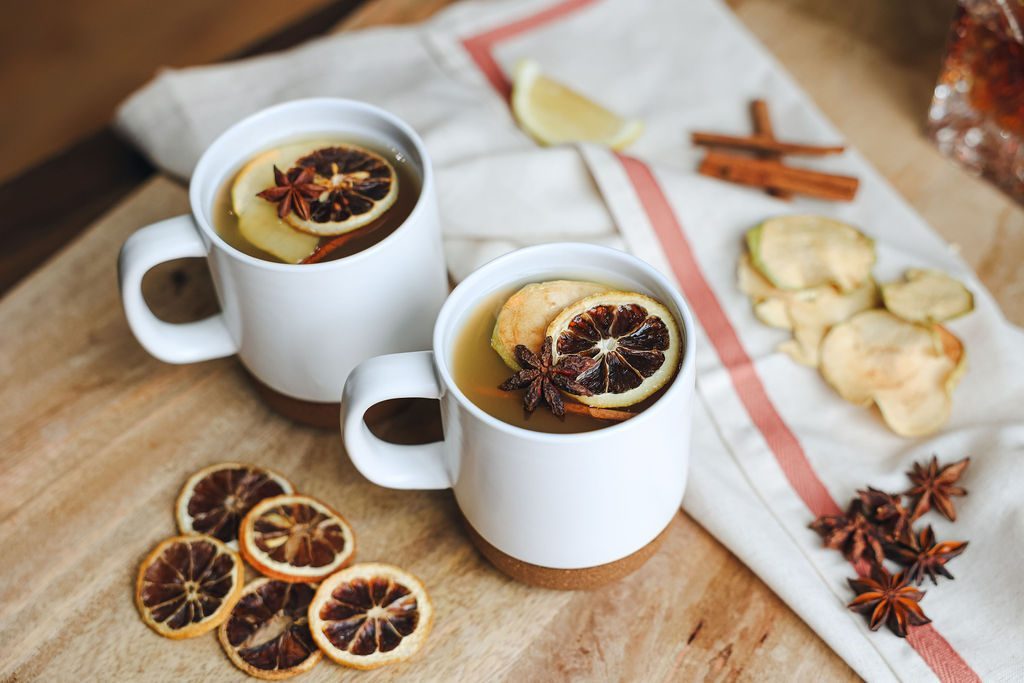
This is citrus season, and it’s the easiest time to make a drink feel luxurious. An orange half slice on a mulled wine or a hot toddy looks like something from a mountain lodge. Bitters sugar cubes turn the Old Fashioned into a small show at the bar. For holiday events, mulling spices simmering in the lobby do more for the room than any candle. Winter is also when fresh-lime prices tend to jump, which makes it the best time to move your core lime program to dehydrated.
Spring: brunch, weddings, and zero-proof
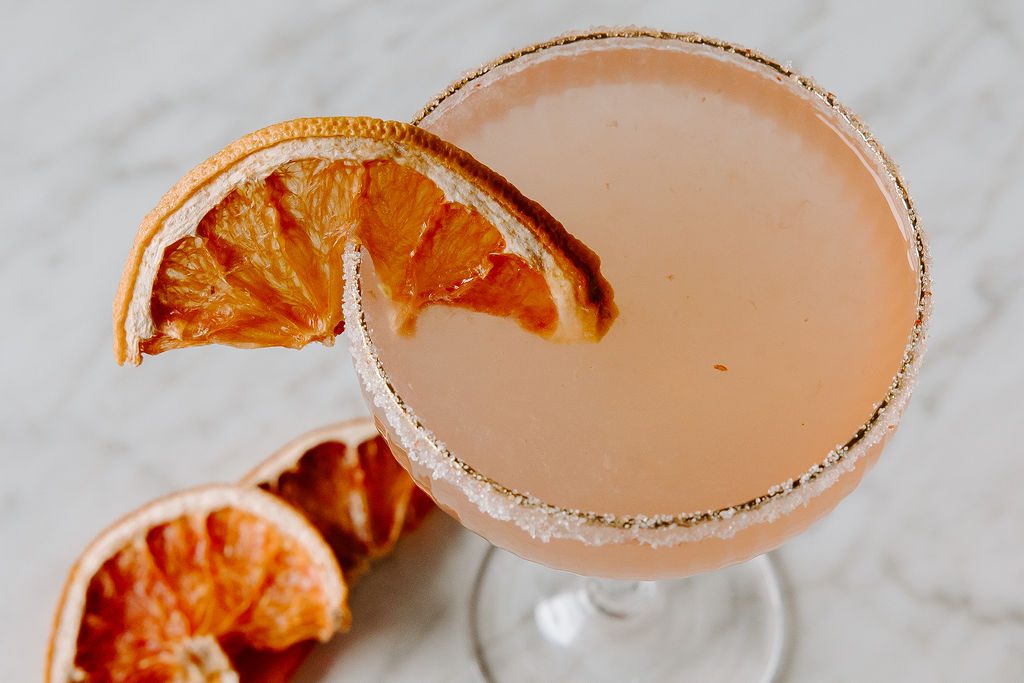
Spring menus lean lighter: spritzes, sparkling cocktails, brunch drinks, and a growing zero-proof list. Dehydrated strawberry and grapefruit read as fresh and pretty in a glass of bubbles. Lemon thyme or hibiscus lime rimming sugar gives a mocktail the same finish as the cocktail next to it, which matters to the guest who isn’t drinking and still wants the experience. Wedding season lives here too, and couples notice when the signature drink looks as good as the flowers.
Summer: the pool bar
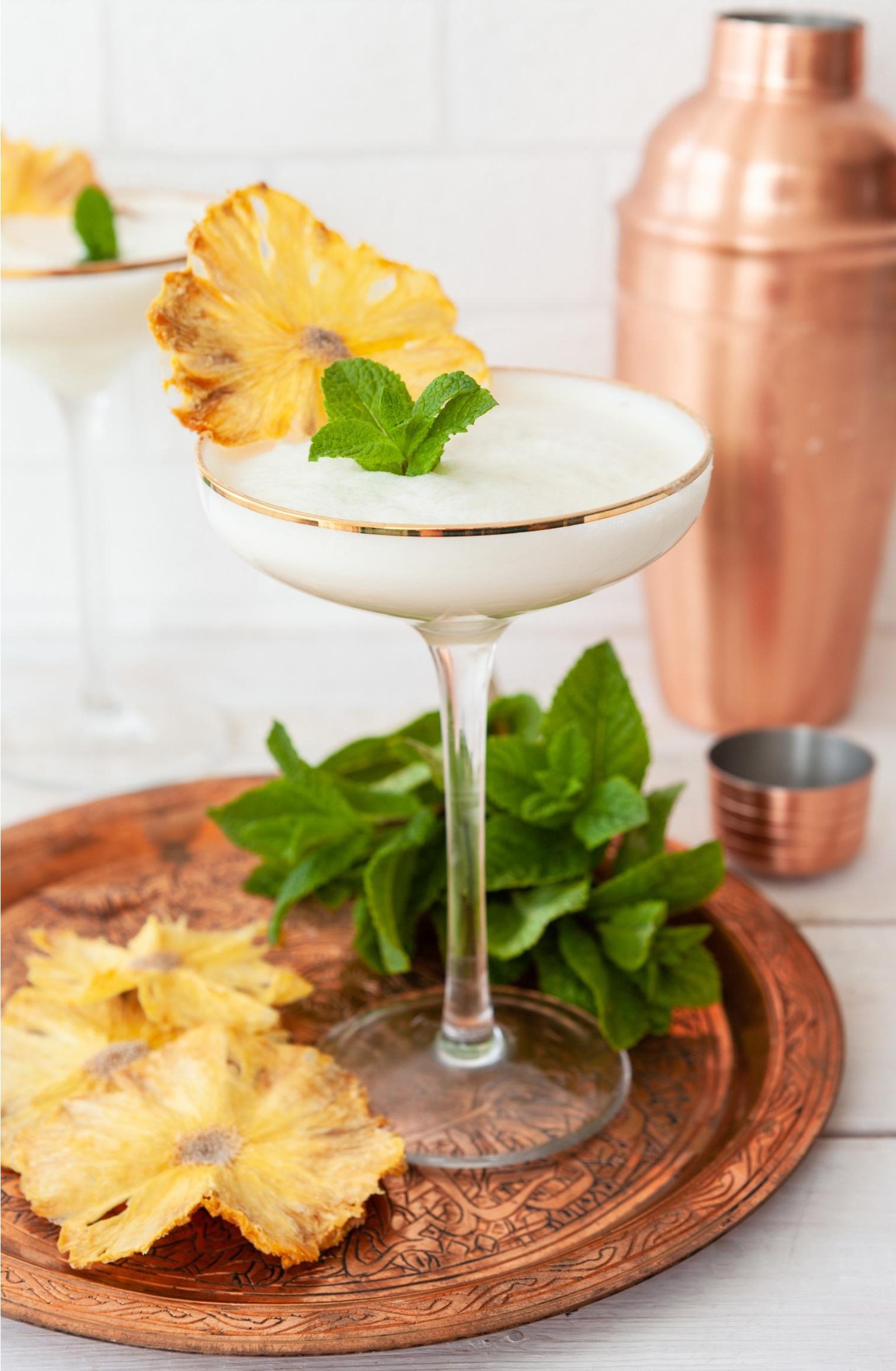
The pool bar is where fresh garnish struggles most. Cut fruit sitting in the heat browns fast and gets thrown out by the tray. Dehydrated pineapple slices and lime wheels stay sealed until the bartender reaches for them, and they look the same at 5 p.m. as they did at 11 a.m. Lime rimming salt and a lime wheel on a frozen margarita put the whole summer in one glass.
Fall: botanicals, brunch, and the holiday retail window
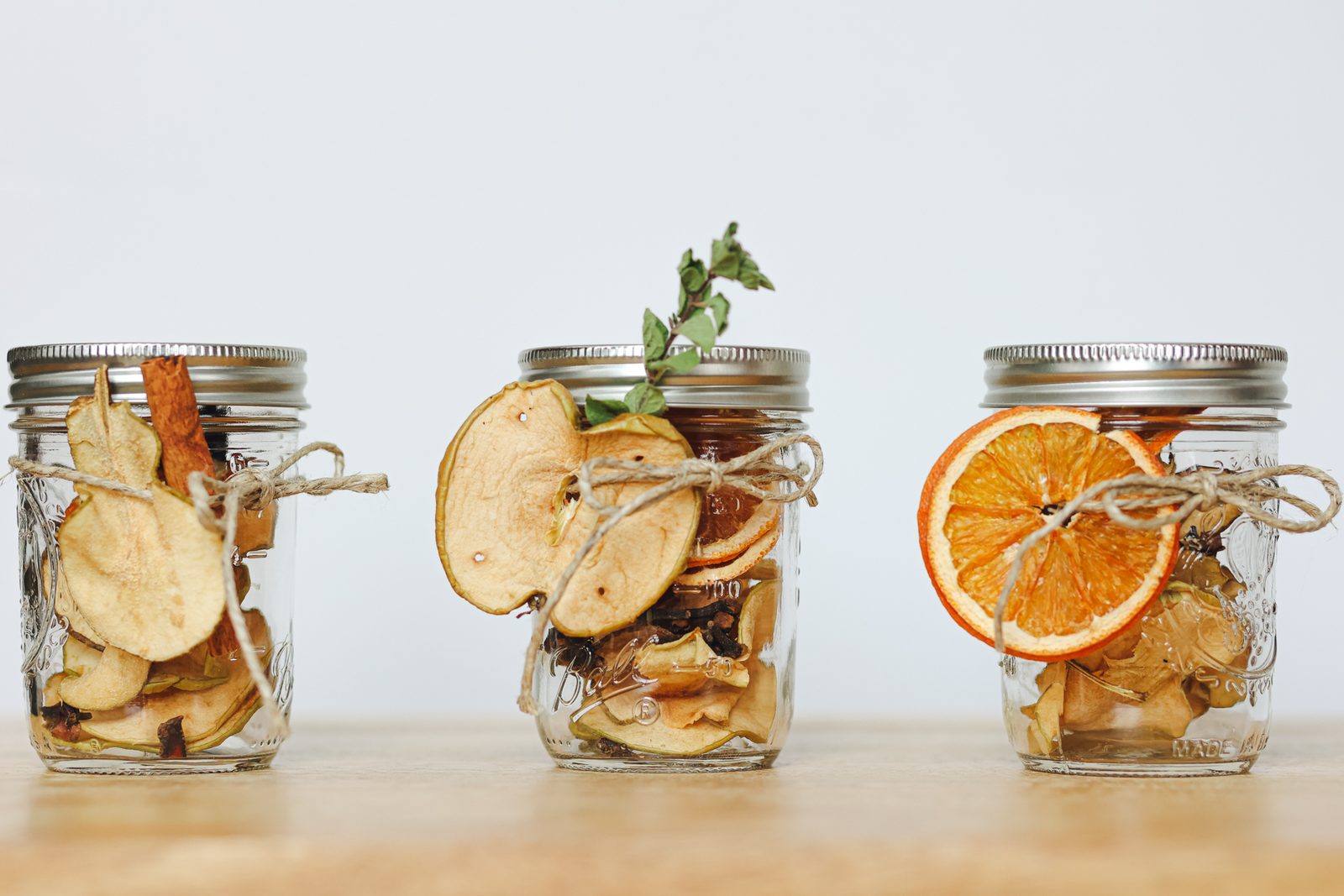
Fall drinks get darker and more botanical. Dehydrated pears and apples bring the orchard to a cider cocktail or a harvest punch. Blackberry rimming sugar on a bramble, juniper berries floating in a gin and tonic, Bloody Mary rimming salt for game-day brunch: small details that tell the guest someone thought about the season. Fall is also when the holiday retail window opens, which is where the gift shop comes in.
Where the labor and the waste go
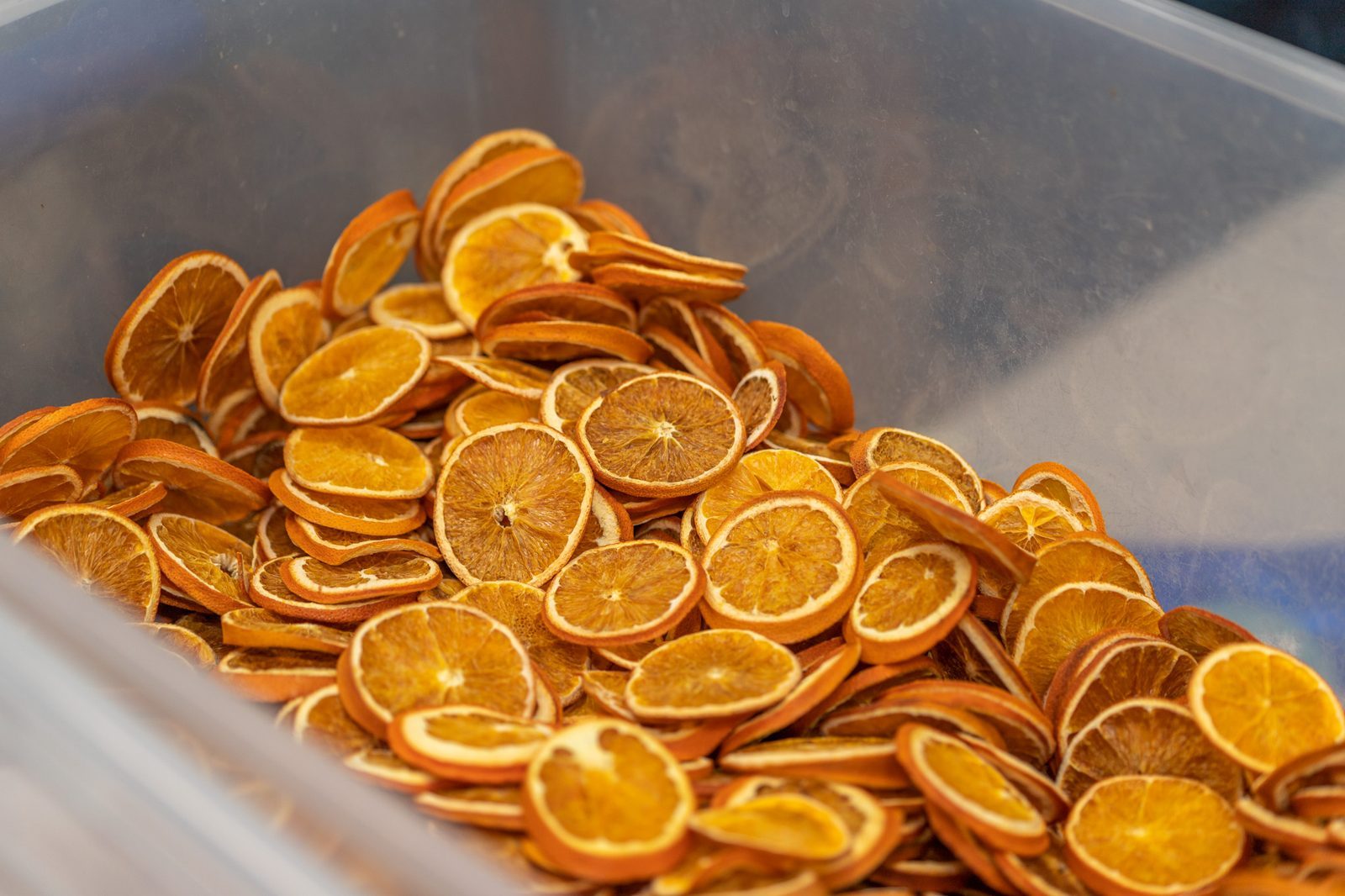
Every fresh garnish on your property was cut by someone on the clock. For a single bar that’s a modest prep task. For a resort it adds up fast. A reception for 1,500 guests at two drinks each is 3,000 garnishes, and every one of them has to be cut, held, and plated before the doors open. Anything left over is waste.
Wholesale dehydrated cocktail garnishes take that task off the list. Your team skips the slicing and the holding, and nothing goes in the trash at close. Garnishes are ready to use straight from the package, and they don’t need refrigeration: store them in a cool, dry place away from sunlight and moisture, keep the bag sealed, and they’re good for up to 12 months. You get cooler space back, and your bar teams get hours back for the work guests actually see.
Dean Feddaoui runs beverage across one of the largest convention resorts in the country, and he has done the math:
“If we had to make everything we buy from Blue Henry ourselves, in-house, we’re talking at least ten full-time people. That’s lime, lemon, orange, grapefruit, pineapple, blood orange, pears, apple chips, and all the salts. Sourcing it instead of staffing it is what lets me keep pushing the program forward.”
It also changes how you budget. Fresh garnish cost moves with the produce market. A dehydrated garnish bought in bulk gives you a known cost per drink for the season, which makes menu pricing and banquet quotes much easier to hold.
To see what drying fruit in-house costs once labor, spoilage, equipment, and kitchen space are counted, run your own numbers in our fruit ROI calculator.
The details guests photograph (and smell)
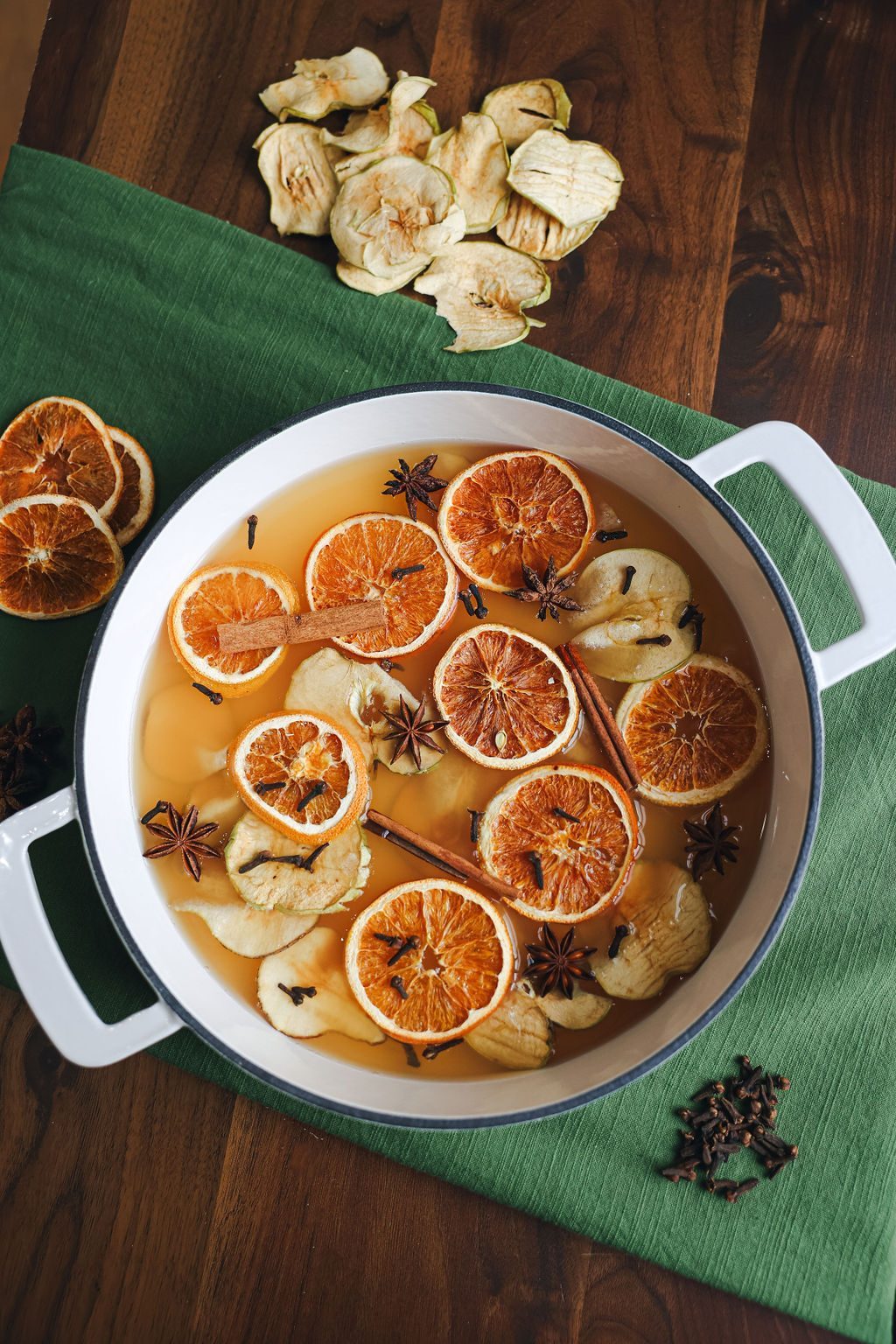
The first thing people tell us about Blue Henry is the smell. One reviewer put it this way: it “smells amazing the second you open it.” That aroma matters at a resort because a cocktail is experienced before it’s tasted. When a bartender sets down a drink with an orange wheel, the guest gets citrus before the glass touches their lips.
Dehydrated wheels also photograph beautifully. They hold their shape and color, catch the light, and sit flat on the surface of a drink. For a resort, every guest photo of a cocktail on a terrace is free marketing, and the garnish is often the focal point of the shot.
A dehydrated slice will gradually rehydrate and soften once it’s in the drink, releasing natural fruit aroma and flavor as it does. The same garnishes work beyond the bar: on desserts, cakes, and charcuterie boards, which lets your pastry and banquet teams carry the same seasonal look from the welcome drink to the dessert table.
Custom garnishes for signature drinks and events
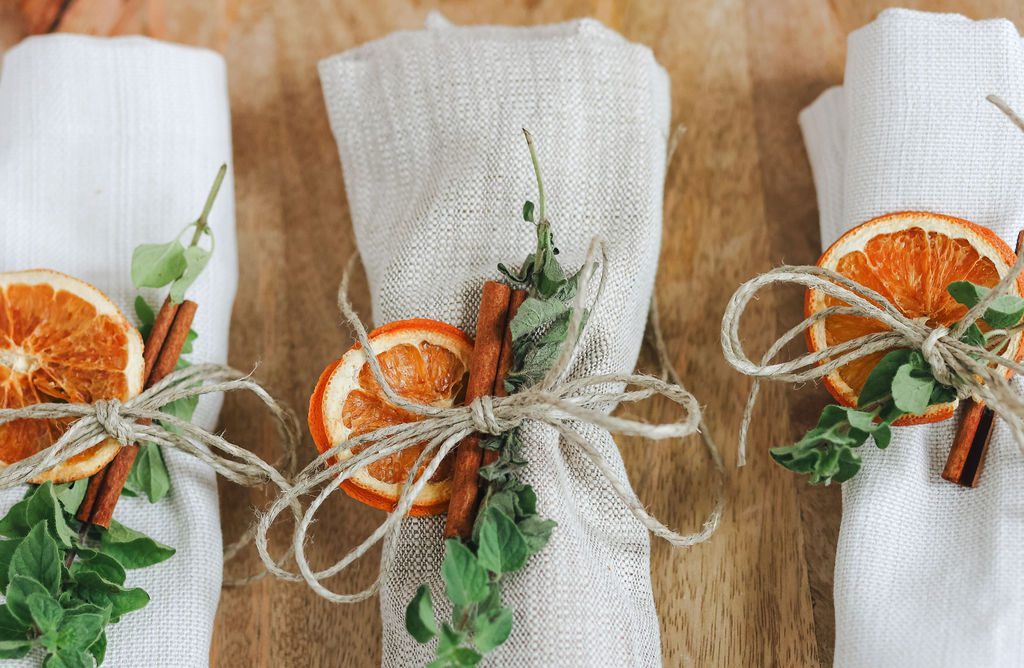
Most resorts have a signature cocktail. Far fewer have a garnish that belongs only to them. That’s where custom work comes in, and many of our longtime wholesale customers don’t know we do it.
We make custom cuts, rimming salts, and rimming sugars, and we do private-label work for properties that want their own branded product. A resort can have a house glass-rimming blend that shows up on its signature margarita at every outlet. A convention client can have a custom garnish for the opening-night reception, tied to the event theme. A property with a strong retail presence can sell its own labeled garnishes in the lobby shop, so guests take the drink home with them.
Here is how that played out at Gaylord Opryland, in Dean’s words:
“I mixed a little salt and sugar with some dried hibiscus and lime zest myself, and we loved it. So I asked, can you make me thirty percent sugar, seventy percent salt, hibiscus flowers, and lime zest? Yes, we can. That is a huge value add for me as a customer of Blue Henry.”
Our standard minimum for many custom and private-label projects is 250 units or 10 pounds. Exploratory development starts with a $100 deposit for testing, and that deposit is credited toward your purchase. If you can picture a garnish we don’t make yet, ask. Custom is what we do.
Faire for the resort shop, bulk for the bar
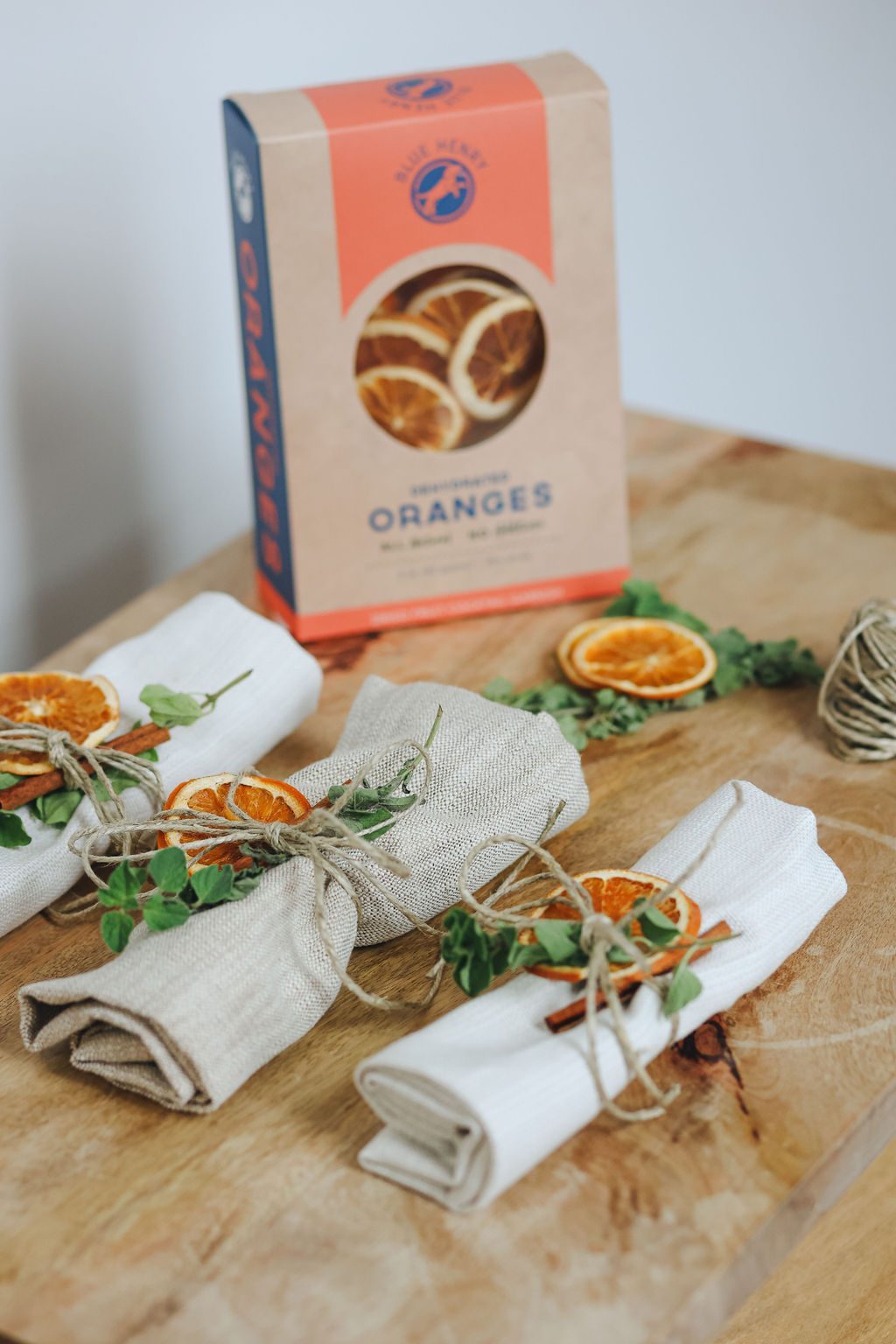
Resorts buy in two ways, and Blue Henry is set up for both.
For the bar, banquets, and restaurants: bulk ordering starts at 10 pounds, in any mix of fruits, with better pricing as volume grows. Standard orders typically ship within one to two business days, and priority shipping is available when an event sneaks up on you. If your purchasing team works through distributor marketplaces, Blue Henry is also available through Mable, US Foods Direct, McLane, and UNFI.
For the lobby shop, spa boutique, or marketplace: order through Faire. Blue Henry is a Faire Top Shop with a 4.9-star rating from nearly 80 retailer reviews, and the comments keep coming back to two things: the packaging is gorgeous and merchandising-ready, and orders arrive fast and intact. Faire gives your retail buyer net 60 payment terms, and new Faire retailers get extra first-order incentives. Gift sets like the Citrus Collection (lime, lemon, orange, and grapefruit) and seasonal items like mulling spices make easy add-on sales for guests who loved the drink at the bar.
Timing tip for retail buyers: stock holiday gift items in September and October, before the winter guest rush. The fall calendar and the holiday retail calendar overlap, and the shops that order early sell through.
Who you’re working with
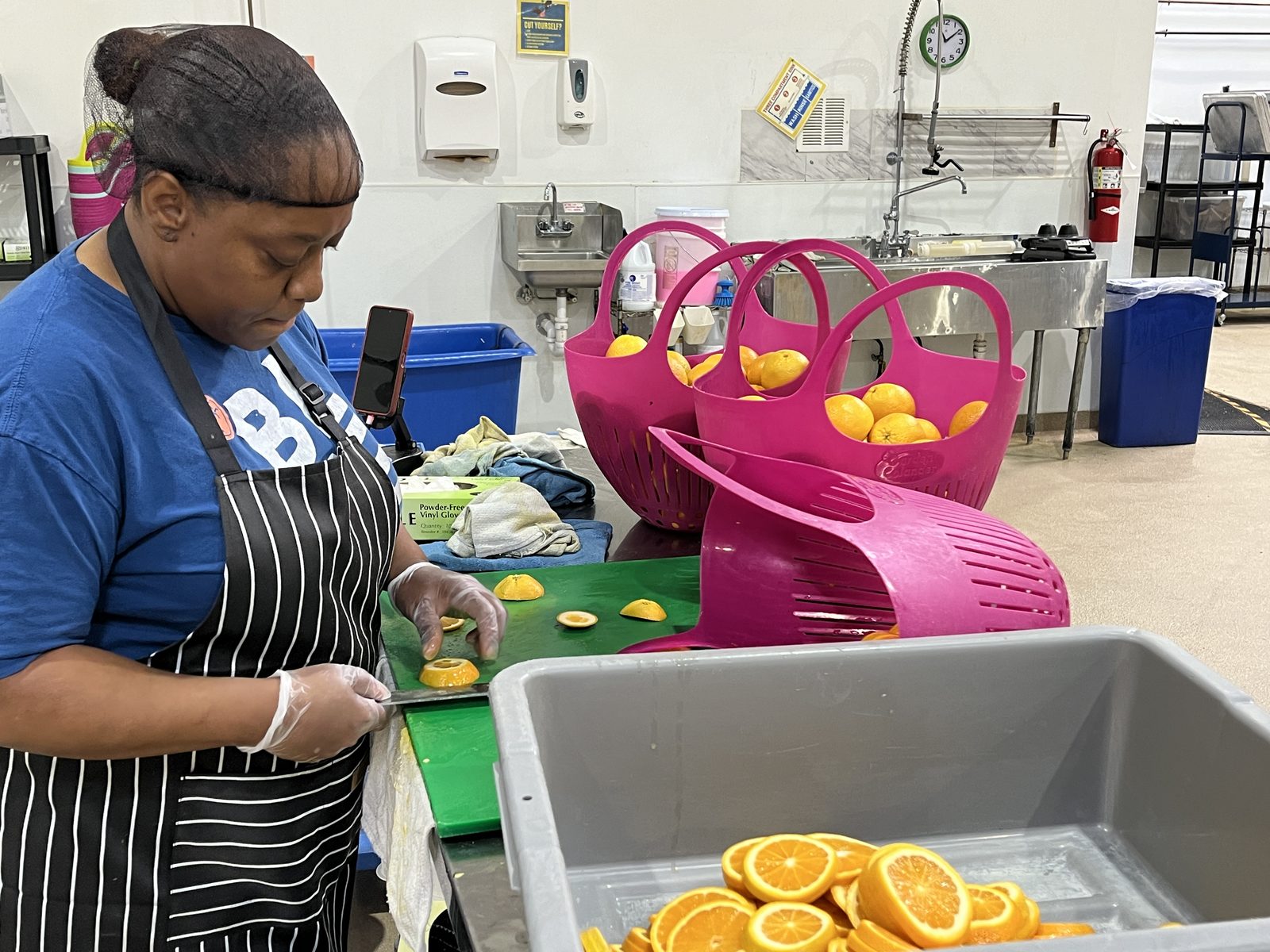
Blue Henry is owned and operated by Adrienne Walker. We dehydrate 100% of our fruit in-house in Maryland and make about 95% of our flavor extracts ourselves, sourcing locally and from small American businesses whenever we can. We’re a Made-in-USA, minority- and woman-owned company supplying hundreds of bars, restaurants, hotels, and resorts, plus national retailers like WebstaurantStore and World Market.
For a resort, the most important part may be the simplest: when you call, a person who knows your account answers. As Dean puts it: “I don’t have to go through four people to get to what I need. I email Adrienne directly and the response time is quick.” We build our wholesale program around keeping it that way, season after season.
How to start
Pick one season and one outlet. Map your next seasonal menu against the calendar above, choose two or three garnishes, and run them at your highest-volume bar for a month. Compare the prep time, the waste, and the guest reaction to what you’re doing now.
To get started, register for bulk ordering, shop our wholesale line on Faire for your retail outlets, or contact us to request a hospitality sample kit and talk through a custom garnish for your property.
Frequently asked questions
How long do dehydrated fruit garnishes last? Blue Henry dehydrated fruit garnishes have a shelf life of up to 12 months when stored properly. Check the best-by date on each package.
Do dehydrated garnishes need refrigeration? No. Store them in a cool, dry place away from direct sunlight, heat, and moisture, and keep the package tightly sealed after opening.
How do dehydrated garnishes behave in a drink? They go straight from the package to the glass. Once a slice touches liquid, it gradually rehydrates and softens, adding natural fruit aroma and flavor along with the visual.
When are dehydrated blood oranges available? Blue Henry’s blood orange garnishes are available October through April.
What is the minimum for wholesale dehydrated cocktail garnishes? Bulk pricing starts at a 10-pound order, and you can mix fruits to reach it. Larger orders may qualify for better volume pricing.
Can Blue Henry make a custom garnish for our resort or event? Yes. Custom cuts, rimming salts and sugars, and private-label products are available. The standard minimum for many custom projects is 250 units or 10 pounds, and a $100 exploratory testing deposit is credited toward your purchase.
Can our resort gift shop carry Blue Henry? Yes. Retail outlets can order through Faire, where Blue Henry offers net 60 terms and is rated 4.9 stars by retailers.
How fast do bulk orders ship? Standard orders typically ship within one to two business days. Priority options are available for time-sensitive events.


